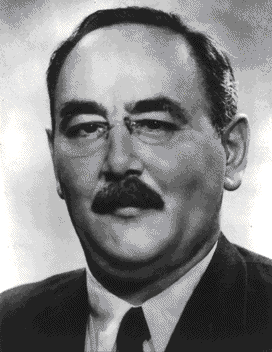
(Left Imre Nagy, Right Hungarian soldiers liberate Budapest)
Since the death of Stalin and the end of collective leadership, Khrushchev wanted to distance himself from the brutal regime of the soviet forces so to facilitate this he devised a new policy of relaxing the grip of the Kremlin on the Soviet States. Hungary was already displeased with the imposed Russian model of communism and opposition was beginning to mount, tensions grew further with the systematic erosion of the Catholic Church in Hungary and imprisonment of senior Ministers and Clergymen.
Timeline of events
On the 23rd of October mass riots lead by students, soldiers and workers toppled Stalin's statue and attacked soviet troops and the Soviet secret police.
24th of October, Imre Nagy took over as Prime minister with the support of the protesters.
On 28 October, Khrushchev agreed with the appointment of Nagy, and the Russian army pulled out of Budapest.
29 October – 3 November: The new Hungarian government introduced democracy, freedom of speech, and freedom of religion (the leader of the Catholic Church was freed from prison). Nagy also announced that Hungary was going to leave the Warsaw Pact.
On 4 November, at dawn, 1000 Russian tanks rolled into Budapest. By 8.10 am they had destroyed the Hungarian army and captured Hungarian Radio – its last words broadcast were ‘Help! Help! Help”!’ Hungarian people – even when children – fought them with machine guns. Some 4000 Hungarians were killed fighting the Russians.
(Left Imre Nagy, Right Hungarian soldiers liberate Budapest)
The haunting final transmission was a desperate plea for help but was ultimately left unanswered. The world turned its back on those who were prepared to fight for their freedoms and protect their sovereignty but the cowardice of others had led to their interment to decades more of a Soviet Hell. The Red Army made sure that all dissent and protest was crushed, many were killed and imprisoned for their part in the Uprising.
Its important to remember moments like these, although we may endure the most cruel violations of human rights and the degradation of common decency the human spirit survives. We can fight against those who would strip us bare of our freedoms and silence our voices, we take our democracy for granted but for the sake of those who have perished in obtaining theirs let us be active in our governance and enjoy our self determination as sovereign nations and free peoples.
To those who died in Hungary 1956 we commend your courage, your sacrifice was not in vein but a lesson we should all remember.